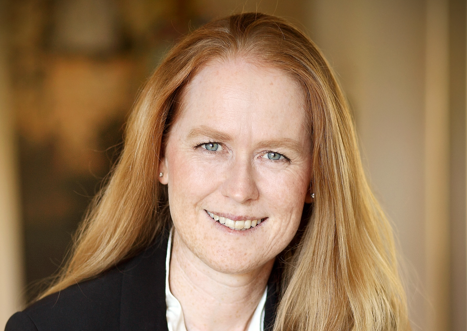
By: Niki Giles, Head of Strategy, Prescient Fund Services
Your retirement savings are among your most valuable assets. In a digital world, scammers continue to find new ways to deceive people, especially those unfamiliar with financial jargon or online risks. At the same time, social media is filled with individuals offering financial advice, but not all are qualified or trustworthy.
Scammers are getting smarter
In South Africa, fraudsters are increasingly pretending to act on behalf of trusted financial institutions, regulators such as the FSCA, or well-known industry figures. These scams appear in emails, WhatsApp messages, or social media posts that look official.
What to watch out for:
• Messages claiming to be from senior people in the retirement industry offering exclusive opportunities.
• Emails or WhatsApp messages pretending to be from your retirement fund or regulator asking you to click a link or share personal details.
• Fake websites or social media accounts using authentic logos to appear legitimate.
If the communication feels rushed, unexpected or too good to be true, pause and verify. Scammers rely on emotional reactions to pressure people into quick decisions.
Be careful who you follow online
“Finfluencers” on TikTok, Instagram and YouTube are growing in popularity. While some provide helpful insights, many lack the qualifications to offer sound financial guidance. Some are even paid to promote high-risk products.
This matters because retirement savings are long-term investments that need careful planning. Acting on unqualified advice may lead to poor decisions and financial loss.
Simple ways to stay safe
You don’t need to be a financial expert to protect your future. Keep these basic steps in mind:
• Check credentials: Confirm if the person or company is registered with the FSCA at www.fsca.co.za.
• Be cautious with unsolicited messages: Verify before responding. Contact the provider directly using details on their official website.
• Don’t share personal information: Legitimate institutions will never ask for passwords or banking details via email or WhatsApp. Avoid clicking suspicious links.
• Ask for help: Reach out to your fund administrator or a certified financial advisor if something feels unclear.
Want to learn more?
Reliable resources to support your financial literacy:
• FSCA Consumer Education Portal
https://www.fscamymoney.co.za
• FSCA Scam Alerts
https://www.fsca.co.za/Pages/Warnings-and-Alerts.aspx
• Money Smart Week South Africa
https://www.mswsa.co.za
Your retirement savings represent your future. Don’t let scammers or unqualified finfluencers put that future at risk. Stay informed, stay vigilant and ask for help when you need it.