Marriott International has ambitious expansion plans across Africa, with more than 50 new properties set to open by 2027.
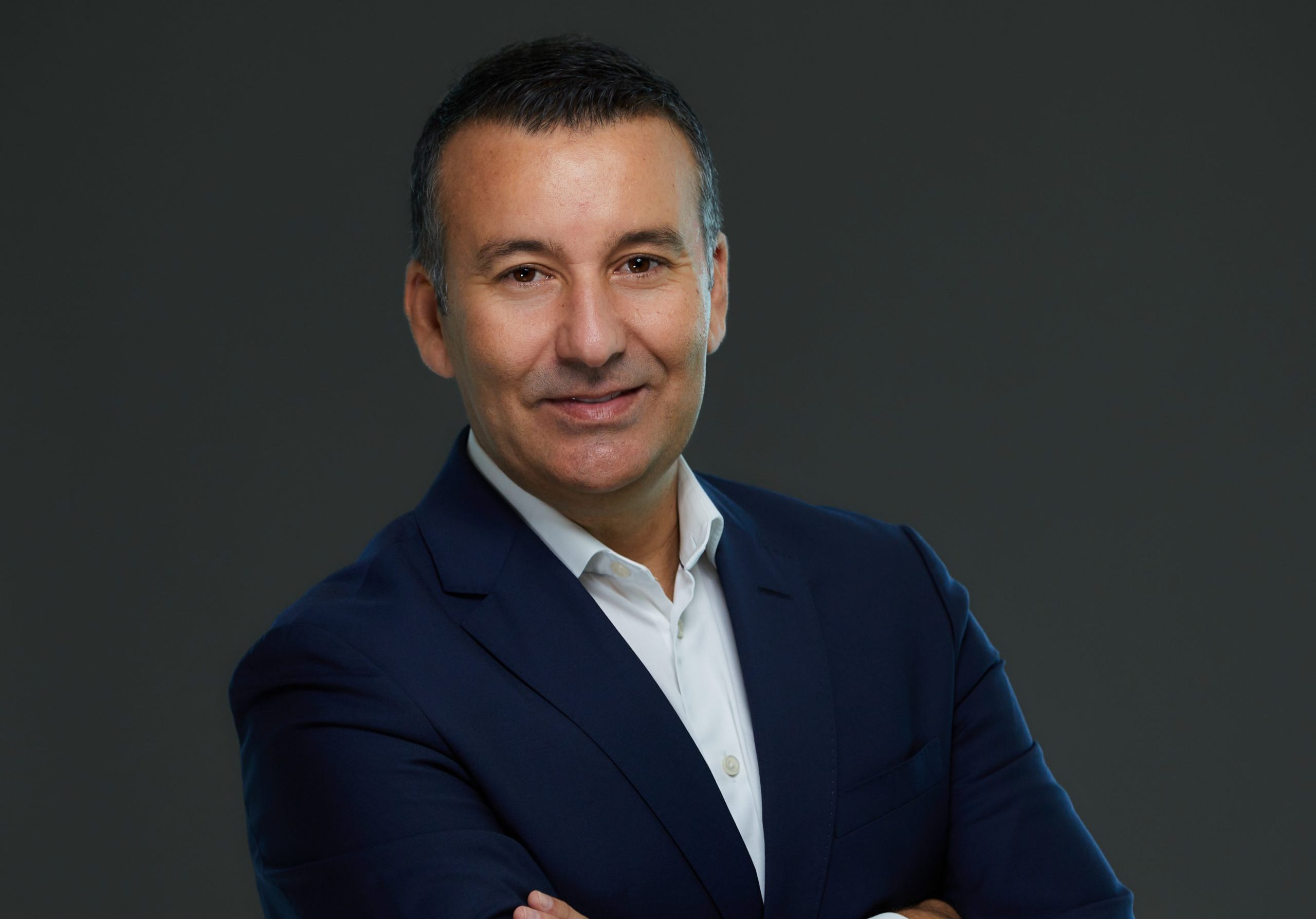
We spoke with Karim Cheltout, Marriott International’s Senior Vice President of Development, Middle East & Africa, to explore the company’s growth strategy, job creation, and skills development across the continent.
How is Africa’s hospitality landscape evolving?
We’re seeing excellent momentum in the hospitality industry in Africa. Urbanisation is accelerating, creating a demand for quality accommodation in commercial hubs, while a growing middle class is fuelling domestic and intra-African travel. People are travelling for business, leisure, or both — a trend shaping how and where we develop.
Significantly, airlift and regional connectivity are improving. Governments and the private sector are investing in airports, airlines and visa reforms, making multi-destination trips more feasible and opening underserved locations. The combination of infrastructure development and policy reform is laying a foundation for long-term growth. Marriott is aligning with these shifts by expanding thoughtfully, with brands tailored to local demand.
Can you share details on Marriott’s expansion plans, target markets and key growth drivers?
We plan to open more than 50 new hotels and over 9,000 rooms across Africa by the end of 2027. We’re especially excited about Marriott’s anticipated entry into five new markets: Cape Verde, Côte d’Ivoire, the Democratic Republic of Congo, Madagascar, and Mauritania. This reflects strong investor interest and a rising demand for branded hospitality.
Africa is home to emerging marketplaces that offer significant growth opportunities across major gateway cities, commercial centres, safari circuits and resort destinations. Our strategy spans luxury, premium, and select-service segments.
We expect growth across the continent to be primarily driven by our select-service brands, including Protea Hotels by Marriott and Four Points by Sheraton, and a strong consumer demand for distinctive, high-quality hospitality experiences.
High-growth markets include Tanzania, Egypt, Morocco, Kenya, and Nigeria, which together account for more than half of the anticipated openings over the next two years. Conversions and adaptive reuse represent more than 30% of expected additions, and we’re also seeing growing interest in branded residential projects.
What makes brands like Aloft Hotels suitable for Africa, and what do they offer the sector?
Aloft is an excellent fit for Africa’s youthful and dynamic demographic. The brand delivers a fresh, forward-thinking hotel experience, featuring modern, flexible spaces that encourage social interaction, from cocktails to gaming. We’re excited about the debut of Aloft Hotels in Africa, with the anticipated opening of Aloft Ghazala Bay on Egypt’s North Coast expected in 2027.
With the rise of adventure travel, how is Marriott tapping into luxury safari tourism?
Adventure and outdoor travel are growing fast, and we’re leaning into that trend. After our successful opening of JW Marriott Masai Mara Lodge in 2023, we’re now ready to open six more safari properties in East Africa by the end of 2027.
These include The Ritz-Carlton Masai Mara Safari Camp in Kenya and the Mapito Safari Camp, Serengeti Autograph Collection in Tanzania — both scheduled to open this year. These projects reflect our commitment to luxury in extraordinary natural settings and meet demand for immersive, high-end travel experiences.
How is Marriott supporting local talent development and job creation with this expansion?
Hospitality has the power to drive real economic impact, and we’re committed to developing talent in local communities. In South Africa, our Accelerate Programme provides high school graduates with access to education and hands-on experience. At the same time, our Voyage Programme offers university graduates structured training across Africa, including mentorship and career planning.
In Egypt, we partner with Helwan University on Tahseen, a four-year programme that combines academic and operational training. Khulanathi in South Africa helps fast-track high-potential associates into management roles and actively addresses equity and gender gaps. These efforts support a skilled, resilient workforce, which is vital for the sustainable growth of Africa’s tourism and hospitality sector.
How is Marriott using the franchise model to drive hotel development in Africa?
We’ve seen growing interest in the franchise model, particularly over the last five years. Many developers want greater operational control and are building the capacity to manage hotels directly. Our franchise model supports this by offering owners greater decision-making power while still leveraging Marriott’s global brands, marketing reach, loyalty programme, and booking systems.
We work closely with franchisees to ensure brand standards are met and a consistent, high-quality guest experience. This model is unlocking hotel development by aligning with investor needs and promoting local ownership and operational expertise.